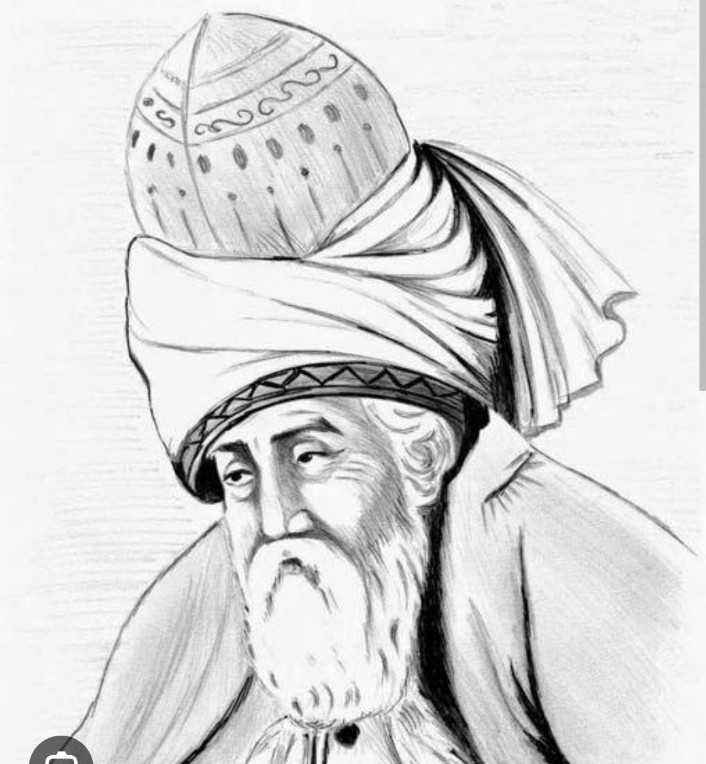
Hazrat Sheikh Salim Chishti (RA): Life, Spiritual Journey, and Legacy in Mughal History-
The Chishti Order (Chishtiyya) has played a pivotal role in the spiritual and social reformation of the Indian subcontinent. Among the luminaries of this lineage during the Mughal era, Hazrat Sheikh Salim Chishti (RA) shines as a prominent figure. He was an ascetic of the highest order and a spiritual guide whose influence altered the course of the Mughal Empire.The following comprehensive article covers his lineage, spiritual journeys, historical relationship with Emperor Akbar, and his lasting legacy at Fatehpur Sikri.
1. Birth, Lineage, and Early Life
Hazrat Sheikh Salim Chishti (RA) was born in 1478 CE in Delhi into a respected Sufi family.
Spiritual Lineage: He was a direct descendant of Hazrat Baba Fariduddin Ganjeshkar (RA) of Pakpattan (Punjab), who was one of the foundational pillars of the Chishti order in South Asia.
Early Education: Showing an ascetic temperament from childhood, he mastered traditional Islamic sciences before formally entering the path of Tasawwuf (Sufism), receiving his spiritual authorization (Khilafat) from the prominent Chishti masters of his time.
2. Spiritual Journeys and the Title 'Shaikh-ul-Hind'
Driven by a quest for deeper spiritual enlightenment, Sheikh Salim Chishti (RA) spent a significant portion of his life traveling across the Islamic world.
Sojourn in Arabia: He spent nearly 13 to 14 years in the holy cities of Mecca and Medina, engaged in intense devotion, meditation, and teaching. His profound spiritual depth earned him immense respect from Arab scholars and mystics.
The Honorific: It was during his residence in the Hejaz that he was bestowed with the title 'Shaikh-ul-Hind' (The Spiritual Leader of India).
Return to India: Upon returning to his homeland, he chose to settle in a remote, rocky ridge called Sikri, near Agra. There, he built a simple mud-brick cell and established his Khanqah (Sufi hospice).
3. Emperor Akbar and the Birth of Prince Salim
By the mid-16th century, Emperor Akbar ruled over a vast and powerful empire, yet his personal life was marred by grief. None of his children survived infancy. Desperate for a male heir, Akbar made pilgrimages to various shrines and sought the blessings of numerous holy men.
The Imperial Pilgrimage: Hearing of the spiritual renown of the saint of Sikri, Akbar travelled barefoot from Agra to the rocky hermitage of Sheikh Salim Chishti (RA) to implore his prayers.
The Prophecy: The Sheikh prayed for the Emperor and prophesied that Akbar would be blessed with three sons who would live to maturity.
Birth of Prince Salim (1569 CE): On August 31, 1569, Akbar’s Rajput queen, Mariam-uz-Zamani (popularly known as Jodha Bai), gave birth to a healthy male child. In token of deep gratitude and reverence for the saint, Akbar named the infant 'Salim'—the prince who would later ascend the throne as Emperor (Jehangir).
4. The Founding of Fatehpur Sikri
Out of profound reverence for the saint, Akbar decided to transform the modest village of Sikri into a grand imperial city.
In 1571 CE, Akbar shifted his imperial capital from Agra to this newly designed city, naming it 'Fatehpur Sikri' (The City of Victory). Here, surrounding the saint’s residence, Akbar constructed majestic palaces, the Diwan-i-Aam, the Diwan-i-Khas, the Buland Darwaza, and the magnificent Jama Masjid.
5. Demise and the White Marble Mausoleum
In 1572 CE, at the age of approximately 94, the venerable Sufi saint passed away. His demise deeply grieved Emperor Akbar.
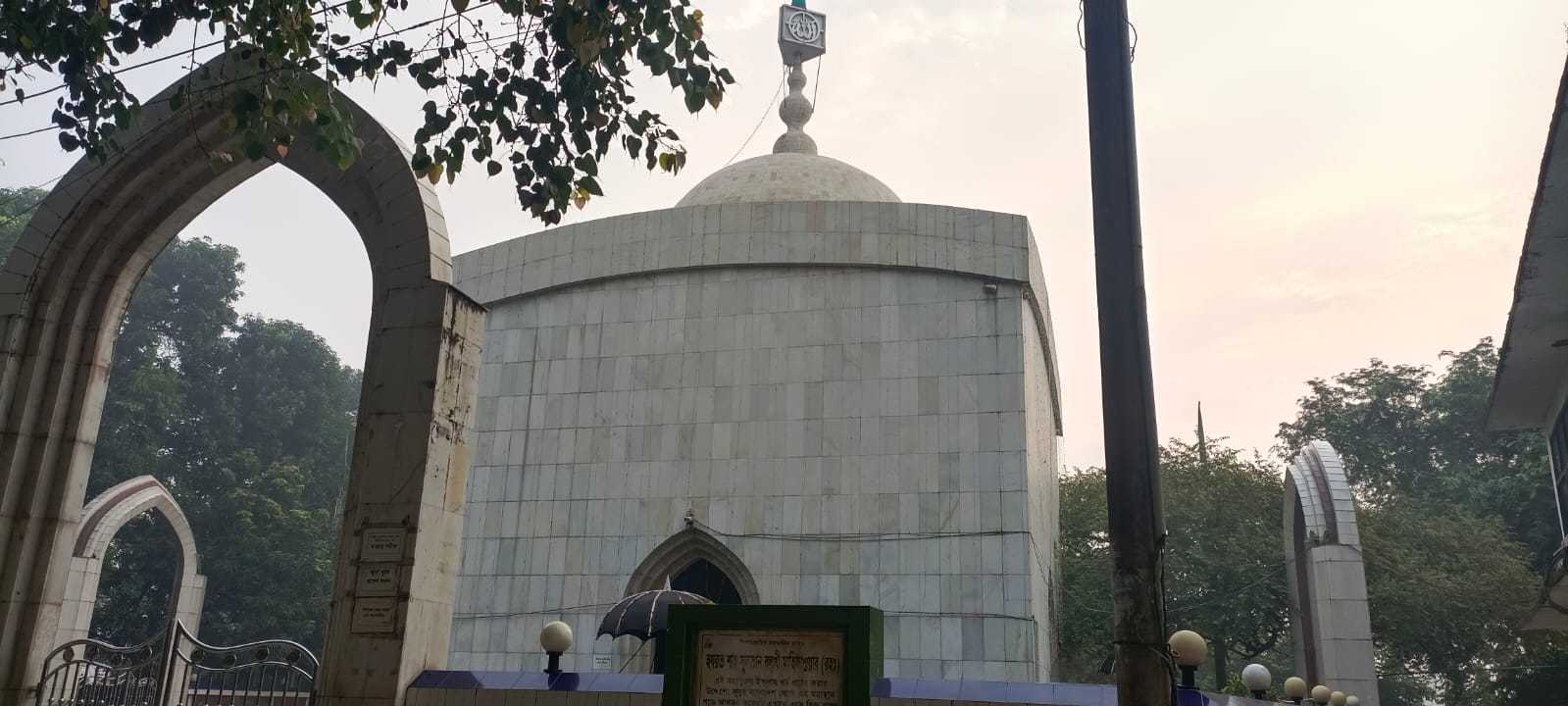
Construction of the Tomb: Akbar commissioned the construction of a grand mausoleum within the courtyard of the Jama Masjid at Fatehpur Sikri, completed between 1580 and 1581 CE.
Architectural Transition: While initially constructed with red sandstone, the structure was later extensively renovated with pure white marble during the reign of Emperor Jehangir. The intricate marble jaali (carved lattice screens) surrounding the inner sanctum remains an pinnacle of Mughal architectural craftsmanship.
UNESCO Recognition: In 1986, the historical complex of Fatehpur Sikri, featuring the saint's mausoleum, was designated as a UNESCO World Heritage Site.
6. Sufi Philosophy and Legacy
Sheikh Salim Chishti (RA) practiced the core philosophy of the Chishti order: 'Sulh-i-Kul' (Universal Peace and Absolute Tolerance).
Inclusivity: His Khanqah was a sanctuary open to all individuals, irrespective of their social standing, creed, or religion. Emperors and commoners sat together in his presence.
Influence on Akbar's Policies: Historians suggest that Akbar’s subsequent policies of religious pluralism, tolerance, and his patronization of interfaith dialogues were heavily inspired by the inclusive, humanitarian teachings of Sheikh Salim Chishti.
In the last, Centuries after his passing, the tomb of Hazrat Sheikh Salim Chishti (RA) remains a vibrant center of devotion. Pilgrims of various faiths visit Fatehpur Sikri to tie red threads onto the intricate marble lattices of his shrine, a ritual symbolizing their prayers and continuing the legacy of faith that once brought an emperor to a hermit's doorstep. For a platform like sufibadi.com, his life stands as a testament to how true spiritual power operates independently of worldly riches, yet can gently shape the destiny of empires.
#Furfura_Sharif_Fourteen_Century_Informer – The center of spiritual enlightenment, and the grand ‘Mujaddide Zaman Conference & Central Convention 2026’ held in loving memory of the great reformer Mujaddide Zaman Shah Sufi Peer Abu Bakr Siddique Al-Quraishi (R.)! 🌹
Furfura Sharif has always been a historic beacon of true Islamic teachings, Tasawwuf, and spiritual awakening in Bengal. In this noisy and mechanical world where humanity is losing its way, a magnificent spiritual gathering took place in the capital, Dhaka. On Saturday, July 18, 2026, at 100 AM, the ‘Mujaddide Zaman Conference & Central Convention 2026’ was held in a deeply solemn, grand, and blessed environment at the Kamalla Darbar Sharif Complex, Shyamoli, Dhaka. Organized by Majlisul Waejin Bangladesh, this grand convention illuminated the hearts of thousands of devout souls with divine light.
The Legacy of Dada Huzur (R.) & Mujaddide Zaman:
The venerable spiritual reformer in whose memory this gathering was held, Hazrat Shah Sufi Peer Abu Bakr Siddique Al-Quraishi (R.) (the beloved Dada Huzur of Furfura Sharif), was much more than just a name or a personality; he was a revolutionary pioneer of the Indian subcontinent who worked tirelessly to spread Sufism, serve the Tariqat, expand authentic Islamic education, and eradicate ignorance and social evils. Through the madrasas, khanqahs, and institutions he established—guided by millions of his disciples and devotees—the true essence of Islam's noble ideals has been preserved. In today's era of trials and tribulations, following his path of self-purification, service to humanity, and sincerity (Ikhlas) is the only true way to salvation.
Main Attractions and Honorable Guests of the Conference:
The primary attraction and esteemed guest of honor at this blessed and historic conference was—
Our deeply respected beacon of Bengal's spiritual realm, the luminous star and rightful heir of the blessed lineage of the great spiritual master of Furfura Sharif, Dada Huzur (R.), #Pirzada_Hazrat_Mawlana_Md_Mehrab_Uddin_Siddique_Al_Quraish_Hafi_Huzur.
His soul-touching presence, sweet-toned voice, and profound scholarly address filled the entire convention hall with a unique spiritual aura. The event was further graced by the presence of prominent ulema, pirs, mashayekh, Islamic thinkers, and distinguished waejin from various parts of the country. Their wise counsel and guiding words stirred waves of Imaan in the hearts of the audience.
In conclusion, may Almighty Allah accept and grant the sincere efforts of the organizers, honorable guests, volunteers, and all the brothers of faith who traveled from far and wide. May the noble ideals of Mujaddide Zaman (R.) spread across the entire world—this is our earnest prayer. Ameen, Ya Rabbul Alamin! ✨
MD AL AMIN
Delete Comment
Are you sure that you want to delete this comment ?